
The Evolution of Minimally Invasive Surgery: From Better Visibility to Smarter Surgical Technology
Minimally invasive surgery has transformed modern surgical practice by changing how procedures are performed, viewed, and supported. What began with the goal of achieving effective treatment through smaller access points has evolved into a technology-driven approach that combines advanced visualization, precision instruments, energy systems, and increasingly connected surgical environments.
Today, the evolution of minimally invasive surgery is not simply about making smaller incisions. It is about giving surgical teams better information, greater control, and technology that can support clinical decision-making throughout a procedure.
From Limited Images to High-Definition Visualization
One of the most significant developments in minimally invasive surgery has been the evolution of surgical visualization.
Early laparoscopic systems provided surgeons with a relatively limited view of the surgical field. As imaging technology advanced, high-definition and ultra-high-definition systems brought greater detail, improved image quality, and better visualization of anatomical structures. Mindray
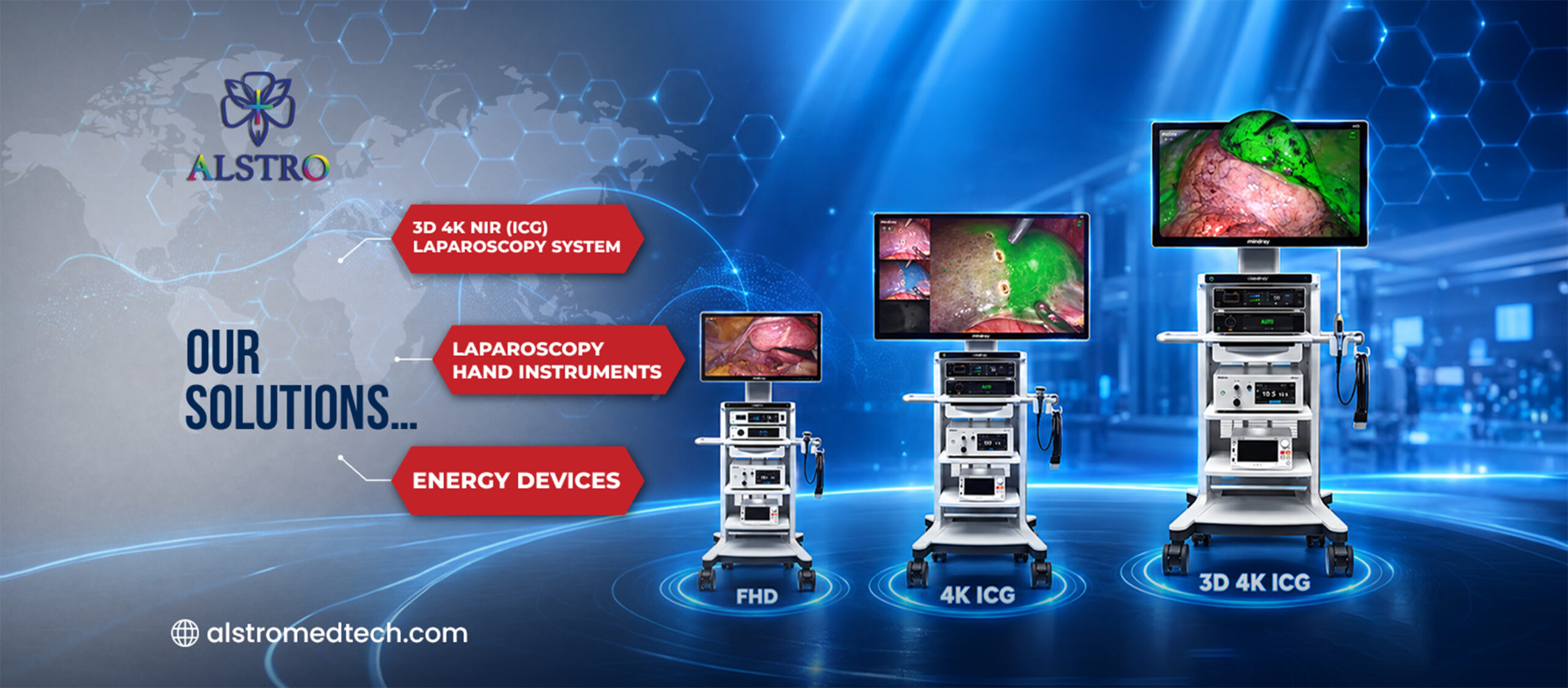
Modern systems have taken this further with technologies such as 4K, 3D, and near-infrared (NIR) fluorescence imaging. These capabilities can provide additional visual information during procedures and support surgeons as they identify and navigate anatomical structures. Current systems such as Mindray’s UX series combine advanced imaging capabilities with technologies designed for modern minimally invasive procedures. Mindray
The result is a shift from simply “seeing inside the body” to creating a richer visual environment for surgical teams.
Smarter Energy for More Controlled Procedures
Visualization is only one part of minimally invasive surgery. As procedures have become more sophisticated, surgical energy technology has evolved alongside them.
Modern electrosurgical and ultrasonic energy platforms are designed to provide more controlled energy delivery and easier operation. Technologies such as tissue sensing and energy regulation can help adapt energy delivery to the surgical task and tissue characteristics. Mindray
This development reflects a broader trend in medical technology: moving from basic functionality toward systems that can provide greater control and support more consistent workflows.
Instruments Designed for Greater Precision
The surgeon’s hands remain at the centre of every procedure, but modern instruments are increasingly designed to extend their capabilities.
Reusable and disposable laparoscopic instruments now form an important part of minimally invasive surgery ecosystems. Their design focuses on factors such as maneuverability, access, handling, and procedural requirements. Mindray
This means the evolution of minimally invasive surgery is not driven by imaging alone. It is the combination of better visualization, smarter energy platforms, and purpose-designed instruments that continues to shape modern surgical practice.
From Individual Devices to Connected Surgical Ecosystems
Another important shift is the move from standalone equipment toward more integrated operating-room technologies.
Modern surgical platforms increasingly consider how imaging, energy systems, ultrasound, recording, displays, and other equipment can work together. For example, newer endoscopic systems can support integration between different imaging sources, helping clinicians access relevant information without constantly switching between systems. Mindray
This evolution is making the operating room increasingly technology-enabled, while keeping the surgeon and clinical team at the centre of decision-making.
What Comes Next for Minimally Invasive Surgery?
The future of minimally invasive surgery will likely be shaped by continued improvements in visualization, artificial intelligence, data integration, robotics, and digital connectivity. However, technology alone does not define progress.
Successful adoption also depends on appropriate clinical training, implementation, technical support, and access to technologies that fit real-world healthcare environments.
This is where organizations such as Alstro MedTech play an important role. Alstro works with global medical technology innovators and Indian healthcare providers, supporting the adoption of medical technologies through clinical training, in-hospital assistance, and ongoing support. Alstromedtech
As minimally invasive surgery continues to evolve, the goal remains consistent: equip healthcare professionals with technologies that can support them in delivering precise, informed, and efficient care.
The journey from basic laparoscopic visualization to advanced imaging, smarter energy systems, and integrated surgical technologies demonstrates how far the field has come and how much potential remains ahead.
For more information about Alstro MedTech and its medical technology solutions, visit Alstro MedTech
